
No products in the cart.
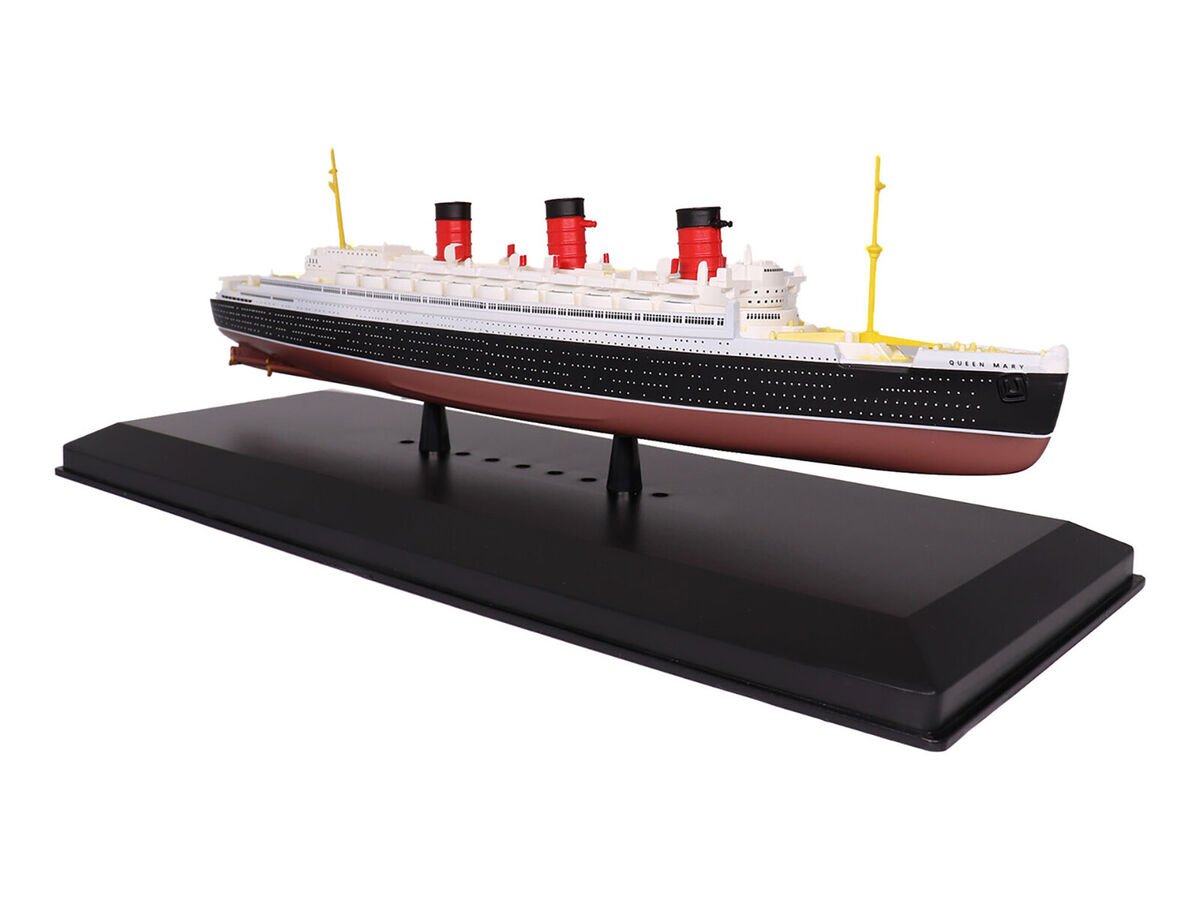
Shipping Diecast Models Safely: Essential Collector Tips
Shipping diecast models safely is crucial for collectors. These miniature treasures require careful handling and protection.
Understanding how to ship them without damage is essential for preserving their value and beauty. Diecast models, often detailed and fragile, hold immense sentimental and monetary worth for collectors. The journey from seller to buyer involves risks that can compromise their condition.
Whether you’re sending a rare car or a beloved plane, knowing the right packaging techniques is vital. It ensures your model arrives intact, maintaining its charm and worth. This introduction offers guidance for collectors on safeguarding their prized possessions during transit. Dive into the essentials of secure packaging and shipping methods that keep your diecast models safe and sound. Learn what collectors need to know to avoid common pitfalls and protect their investments.
Choosing The Right Packaging
Selecting the right packaging ensures diecast models arrive safely. Protective materials guard against damage during shipping. Collectors should prioritize sturdy boxes and cushioning to preserve their treasures.
Shipping diecast models safely is crucial for collectors who want to preserve the value and condition of their prized items. One of the most essential aspects of this process is choosing the right packaging. Proper packaging ensures your model arrives intact, without damage, and maintains its aesthetic appeal. Whether you’re sending a rare vintage piece or a contemporary model, the choice of packaging materials and size can make all the difference. Let’s dive into what you need to know.Material Options
When selecting packaging materials for your diecast models, consider durability. Cardboard boxes are a standard choice due to their sturdy structure, which provides excellent protection against rough handling. Bubble wrap is another essential component. It adds a cushioning layer that absorbs shock and prevents scratches. Packing peanuts or foam inserts can also help fill any gaps, reducing movement inside the box. Choosing eco-friendly materials is a thoughtful option. Recycled cardboard and biodegradable packing materials not only protect your model but also the environment. Have you considered how your packaging choices impact the planet?Size Considerations
Selecting the right size for your packaging is as important as the material itself. A box too large can lead to excessive movement, while one too small can crush the model. Measure your diecast model carefully before choosing a box. Choose a box that leaves just enough room for protective padding. This ensures your model remains snugly in place during transit. A well-fitted box can be the difference between a damaged model and a pristine one. Consider custom packaging options if your model has unique dimensions. Custom solutions ensure a perfect fit and enhance protection. Have you ever received a package where the item seemed to float inside? That’s a packaging mishap best avoided. With these insights, you can confidently package your diecast models for shipping, ensuring they arrive in the same condition as when they left your hands. Taking a little time to choose the right materials and sizes can save you a lot of stress and disappointment.
Credit: www.amazon.com
Protective Wrapping Techniques
When shipping diecast models, protecting them is crucial. Collectors value their models for their intricate details and craftsmanship. Damage during transit can ruin these treasures. Proper wrapping ensures models reach their destination safely. Two popular techniques are bubble wrap and foam cushioning. Both methods provide excellent protection for delicate items.
Bubble Wrap Benefits
Bubble wrap is a popular choice for shipping. It offers excellent shock absorption. The air-filled bubbles cushion the model from impacts. This reduces the chance of damage during transport. Bubble wrap is lightweight. This keeps shipping costs low. It is also flexible. You can easily wrap models of various shapes and sizes.
Foam Cushioning
Foam cushioning provides superior protection for delicate models. It absorbs shocks and vibrations well. Foam molds to the shape of the model. This ensures full coverage and support. It prevents movement during shipping. Foam is available in sheets or custom cutouts. This makes it versatile for different packaging needs.
Securing The Model Inside The Box
Collectors prioritize the safety of diecast models during shipping. Secure packaging is essential to prevent damage. Protecting these models ensures they arrive in pristine condition.
Securing the diecast model inside the box is vital for safe shipping. Collectors know the value of their treasures. Ensuring they arrive intact is crucial. Proper packing prevents damage during transit. This section explores effective methods for securing these delicate models.Taping Strategies
Using tape correctly is essential to secure the box. Start by sealing all edges. Reinforce corners with extra tape. This prevents accidental openings. Use clear packing tape. It offers strong adhesion and visibility. Avoid duct tape. It leaves residue and may damage the box. Tape should cover all seams. Ensure no gaps remain.Preventing Movement
Movement inside the box can lead to damage. Use bubble wrap to cushion the model. Wrap it completely. This minimizes shifting during transport. Fill empty spaces with packing peanuts. They absorb shocks and prevent movement. Ensure the model fits snugly in the box. Use foam inserts for extra stability. They provide firm support. Keep the model secure from all sides. Understanding these strategies ensures diecast models are shipped safely. These steps protect your collectibles during transit.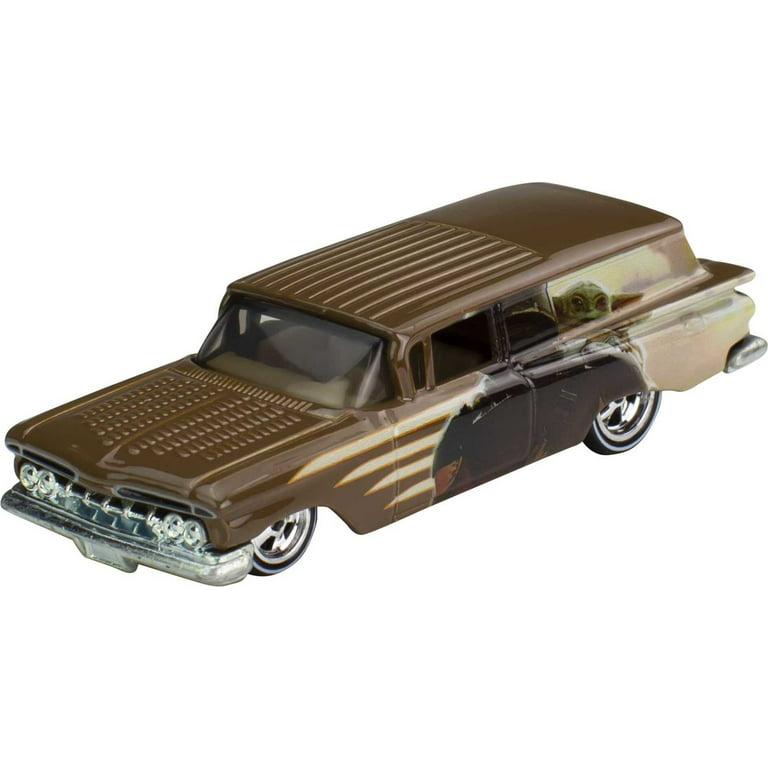
Credit: www.walmart.com
Labeling And Documentation
Proper labeling and documentation ensure the safe shipping of diecast models. Clear labels prevent mishandling during transit. Detailed documentation helps track and verify shipments, ensuring collectors receive their models intact.
Shipping diecast models safely requires careful attention to labeling and documentation. These are crucial steps that can make a difference between a model arriving in pristine condition or damaged. Proper labeling and detailed documentation ensure that your package is handled correctly and can be tracked efficiently.Shipping Labels
Shipping labels are more than just a destination address. They communicate handling instructions and ensure that your diecast model arrives safely. Use clear, legible fonts and include all necessary details, such as “Fragile” or “This Side Up”. Mistakes on labels can lead to costly delays or damages. Imagine the disappointment of receiving a rare model with chipped paint because it was mishandled. Double-checking your shipping labels can prevent such scenarios and save you from unnecessary frustration.Insurance And Tracking
Insurance and tracking are your safety nets. They provide peace of mind knowing that your valuable diecast model is protected. Always opt for insurance coverage that matches the value of your model. Tracking your shipment lets you monitor its journey. This feature is invaluable, especially for collectors who ship models internationally. Have you ever felt the anxiety of waiting for a package without knowing its whereabouts? Tracking alleviates this stress, allowing you to anticipate and plan for its arrival. Documentation and labeling are not just formalities; they are essential practices for safeguarding your diecast models. By taking these steps seriously, you ensure that your collection remains intact and continues to bring joy. What steps will you take today to improve your shipping process?Weather And Temperature Concerns
Shipping diecast models safely requires attention to weather and temperature. Extreme conditions can damage these delicate collectibles. Proper packaging and insulation help protect them during transit.
Shipping diecast models safely requires careful consideration, especially when it comes to weather and temperature. These miniature replicas are not just toys; they’re valuable collectibles that can be sensitive to environmental changes. Understanding how weather and temperature can impact your models can make all the difference in preserving their condition during transit. ###Impact On Packaging
Weather can significantly impact the packaging of diecast models. If your package is exposed to rain or humidity, it can weaken the cardboard and cause damage to the model inside. It’s crucial to use waterproof materials or an extra layer of protection, like plastic wrap, to keep moisture at bay. Temperature fluctuations can also lead to condensation inside the package. This moisture can damage both the packaging and the model. Consider using silica gel packets, which absorb moisture and help maintain a dry environment. ###Cold And Heat Protection
Extreme temperatures can be detrimental to diecast models. In cold weather, metal parts can contract and become brittle. This increases the risk of breakage during handling and transportation. To protect your models, use thermal insulation materials or shipping boxes designed to withstand cold temperatures. On the flip side, heat can cause metal to expand and plastic parts to warp or melt. When shipping in hot climates, try to schedule shipments during cooler parts of the day. Insulating your package with materials that reflect heat can also help keep your model safe. Have you ever opened a package only to find your prized model warped or damaged? Ensuring your diecast models are shipped with weather and temperature considerations in mind can prevent such disappointments. What steps will you take to protect your collection during shipping?Choosing A Reliable Carrier
Selecting a trustworthy carrier ensures diecast models arrive safely. Collectors must verify the carrier’s expertise in handling delicate items. Proper packaging and tracking are essential for preventing damage during transit.
Shipping diecast models safely is a priority for collectors who treasure their miniature masterpieces. Ensuring these delicate items arrive in pristine condition requires more than just packing them well—it’s crucial to choose a reliable carrier. The right carrier can be the difference between a smooth delivery and a damaged collection. Let’s dive into what you should consider when selecting a carrier.Carrier Reputation
A carrier’s reputation speaks volumes about their service quality. You wouldn’t entrust your precious diecast models to just anyone, right? Look for carriers that have a proven track record in handling fragile items. Check reviews from fellow collectors or hobbyists who have shipped similar items. Ask yourself, does the carrier have a history of delivering on time and without damage? It’s worth spending a few extra minutes researching this to avoid potential heartbreak. Your models deserve a carrier that treats them with the respect they deserve.Delivery Speed
Delivery speed is another critical factor. Are you willing to risk your models sitting in a warehouse or truck for longer than necessary? Quick delivery not only minimizes the chances of damage but also satisfies your eagerness to receive your prized possessions. Some carriers offer expedited shipping options that might be worth considering. However, weigh the cost against the urgency. If your collection is time-sensitive, faster delivery might be the way to go. But if you’re in no rush, a standard option might suffice. Remember, choosing the right delivery speed is a balance between cost and your peace of mind. How important is it for you to have your models arrive sooner rather than later? Making informed decisions about your carrier can save you from potential headaches. Shipping diecast models safely hinges on selecting a carrier that aligns with your needs and expectations. By focusing on reputation and delivery speed, you set the stage for a hassle-free shipping experience.Handling Fragile Models
Handling fragile diecast models requires careful attention. These collectibles are delicate. They need special care during shipping. Proper handling ensures they arrive intact. Collectors should understand the importance of safe packaging and handling. This prevents damage and preserves value.
Fragile Marking
Always mark packages containing diecast models as fragile. Clear labels alert handlers to take extra care. Use bright stickers or tape with “Fragile” written on them. This simple step helps avoid rough handling. Ensure the label is visible from all angles. It communicates the need for caution instantly.
Special Handling Requests
Request special handling for your diecast models. Inform the shipping service about the contents. Specify that the package contains fragile items. These requests can sometimes incur additional fees. They ensure that handlers prioritize careful handling. It’s a worthwhile investment to protect your collection.
Receiving And Inspecting Packages
Receiving a package of diecast models is an exciting moment. Collectors eagerly anticipate the arrival of their new treasures. Properly inspecting these packages is crucial to ensure the models are in perfect condition. This process requires careful attention and patience.
Unpacking Tips
Start by gently opening the box. Use a box cutter or scissors to avoid tearing. Remove packing materials slowly. Bubble wrap or foam is often used to protect the models. Set these materials aside, as you may need them later. Carefully lift the diecast model out of the box. Hold it by the base or stand to prevent damage. Avoid touching delicate parts like mirrors or antennas. Examine the model closely under good lighting. Look for any signs of scratches or dents.
Damage Assessment
Check the packaging for signs of damage. A crushed box might mean a damaged model. Inspect each part of the diecast model. Rotate it gently to check all angles. Look closely at the paintwork and decals. Small scratches can sometimes be buffed out. Larger dents might need professional repair. Keep a camera handy. Take photos of any damage for record-keeping. Contact the seller promptly if damage is found. Provide them with detailed descriptions and photos. This ensures a smoother resolution process.

Credit: www.ebay.com
Frequently Asked Questions
How To Ship Die Cast Cars?
Ship die cast cars by wrapping them in bubble wrap. Place them in sturdy boxes with packing peanuts. Seal securely and label as fragile. Choose reliable shipping services for safe delivery. Ensure tracking is available for peace of mind.
What Is The Best Way To Ship Hot Wheels?
Ship Hot Wheels using sturdy boxes with bubble wrap for protection. Label boxes and choose reliable carriers for safety.
Are Die Cast Models Worth Anything?
Die cast models can be valuable, especially rare or vintage ones. Collectors often pay high prices for sought-after models. Condition, brand, and rarity affect their worth. Check marketplaces like eBay to gauge current values. Invest in well-preserved models to maximize potential returns.
Is Collecting Diecast Worth It?
Collecting diecast can be rewarding if you enjoy models and appreciate their craftsmanship. It holds sentimental and investment value for enthusiasts. Rare pieces can increase in worth over time. Ensure you research and choose quality models to maximize your collection’s potential.
It’s worth it if you find personal satisfaction and enjoyment.
Conclusion
Shipping diecast models safely ensures they reach collectors in perfect condition. Protect them with quality packaging materials. Use bubble wrap and sturdy boxes. Label boxes as fragile to alert handlers. Insurance offers peace of mind against potential damage. Tracking helps monitor the package’s journey.
Choose reliable shipping services for timely deliveries. These steps preserve your collection’s value and beauty. Keep your treasures safe on their journey. Happy collecting!