
No products in the cart.
How to Identify Fake Or Replica Diecast Models: Expert Tips
Fake diecast models can be hard to spot. They often look like the real thing.
But, there are ways to tell them apart from authentic ones. Collectors love diecast models for their detail and craftsmanship. But with popularity comes imitations. These replicas can trick even seasoned collectors. Knowing how to spot fake models is crucial.
It protects your collection and wallet. This guide will help you identify replicas. You’ll learn key signs and tips to spot fake models. From packaging to paint quality, you’ll become a savvy collector. Stay informed and keep your collection genuine. Dive in and learn how to protect your diecast investments.
Recognizing Packaging Clues
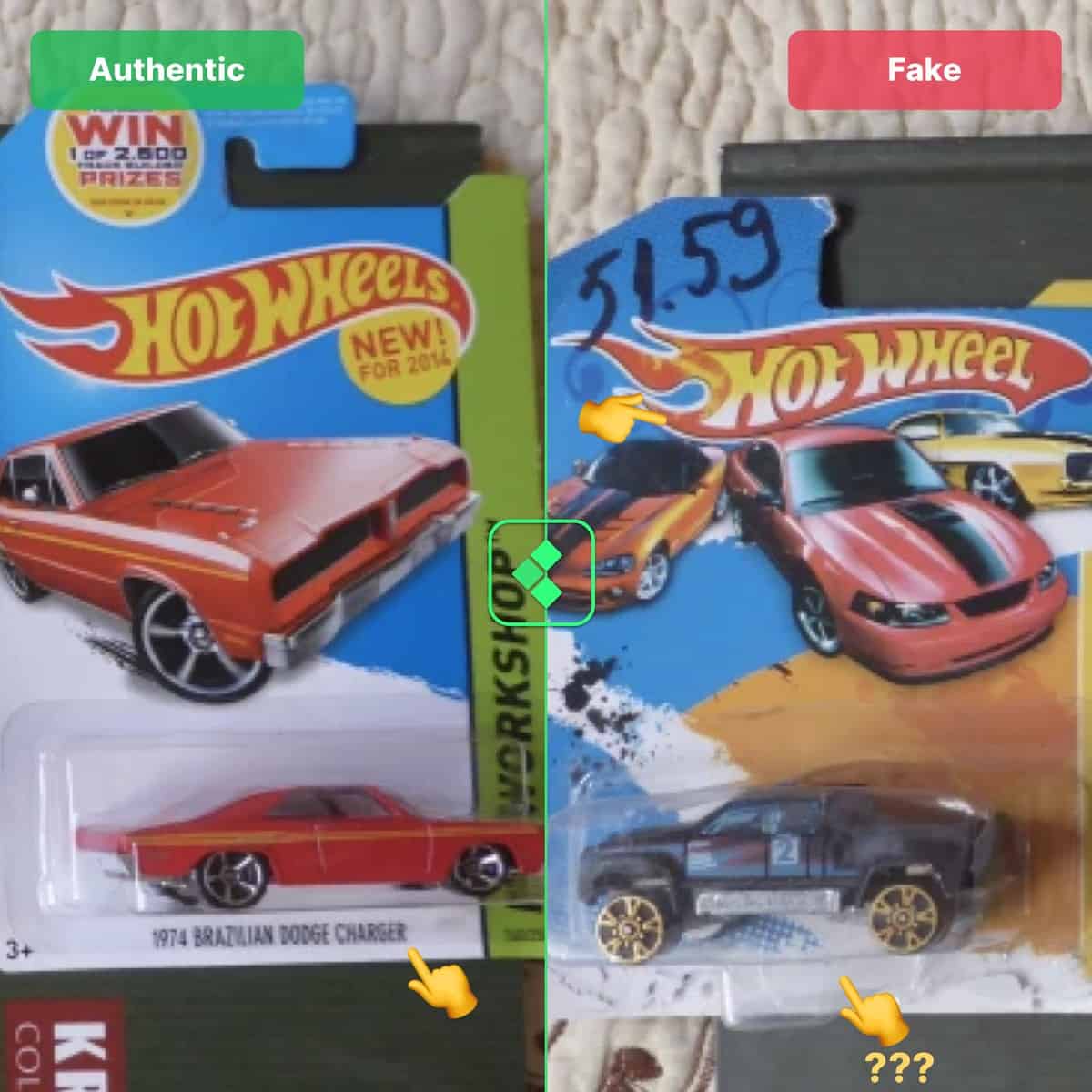
Spotting differences in packaging helps identify fake diecast models. Check for spelling errors and poor printing quality. Authentic models often feature official logos and consistent packaging details.
Recognizing fake diecast models can be a challenging task, especially when you’re passionate about collecting. Packaging often holds the first clues. It’s more than just a box; it’s the first impression and can reveal a lot about authenticity. Let’s delve into some practical ways to spot these clues that can save you from unwittingly adding a replica to your cherished collection.Inspecting Labels
Labels are the first point of contact with your model. Authentic diecast models come with clear, precise labeling. Look for spelling errors or mismatched fonts. These are red flags that something might be off. Consider the placement of labels. Genuine models have consistent positioning, making them easy to spot. Cross-reference with online images from trusted sources. This simple step can protect you from purchasing a fake.Analyzing Box Quality
The quality of the box is a significant indicator of authenticity. Real boxes are sturdy, with high-quality printing and materials. Feel the texture; it should be smooth and durable. A flimsy box often signals a replica. Check the box edges and corners. They should be crisp and well-defined. If you notice rough edges or uneven cuts, it could be a sign of a counterfeit. Would you trust a product that doesn’t care for its packaging? Packaging isn’t just a container; it’s a story about the model inside. A replica might mimic the look but can seldom replicate the feel. Keep your eyes sharp, and your collection will stay genuine.
Credit: www.youtube.com
Examining Model Details
Examining model details is crucial in identifying fake or replica diecast models. Genuine diecast models showcase meticulous craftsmanship and attention to detail. By focusing on specific aspects, collectors can spot inconsistencies. This section explores the key elements to examine.
Checking Paint Quality
Authentic diecast models boast a smooth, even paint finish. The colors should appear vibrant and consistent throughout the model. Inspect for uneven patches or bubbling, which suggest poor quality. Genuine models don’t show brush strokes or overlapping layers.
Pay attention to color matching. It should align with the original manufacturer’s specifications. Discrepancies in shade or tone can indicate a replica. Keep an eye out for any areas with chipped or faded paint. These flaws often reveal a lack of quality control.
Observing Decal Precision
Decals on genuine models exhibit sharp, clear edges. They should sit flush with the model’s surface, without lifting. Check for alignment issues. Misplaced or crooked decals often suggest a fake.
Look for smudges or pixelation in the decal design. Authentic diecast models maintain high-resolution prints. Examine small details within the decals. Genuine models display intricate and precise features.
Ensure the decals match the original branding and logos. Incorrect fonts or styles can signal a replica. Fake models might use off-brand or slightly altered logos. Spotting these discrepancies helps in identifying authenticity.
Assessing Material Quality
Spotting fake diecast models involves checking details like paint quality and logo accuracy. Genuine models boast precise decals and sturdy materials. Always inspect packaging for authenticity signs, such as official holograms and clear branding.
Assessing the material quality of diecast models is crucial. Genuine models use high-quality materials. Replicas often use cheaper alternatives. By examining the materials, one can spot fakes. Two main areas to focus on are metal composition and plastic parts. Each has unique characteristics and tells a story about authenticity.Evaluating Metal Composition
The metal used in diecast models should feel solid. Real diecast models use zinc alloy. This gives them a heavy and sturdy feel. Replicas might use lighter metals. These are often brittle and less durable. Examine the model’s weight. A genuine model feels heavier. Inspect the surface finish too. High-quality models have smooth, well-finished surfaces. Replicas might have rough or uneven finishes. Check for any rust or corrosion. Genuine models resist rust better than fakes.Inspecting Plastic Parts
Plastic parts in genuine models are robust. They have a consistent color and texture. Replicas often use inferior plastics. These can have uneven colors or rough textures. Look closely at the detailing. High-quality models have sharp, precise details. In fakes, details might be blurred or misshaped. Evaluate the fit of plastic parts. Authentic models have tight, seamless fittings. Replicas might have gaps or loose parts. Even the smallest details matter.Spotting Design Inaccuracies
Spotting design inaccuracies is key to identifying fake diecast models. Check details like paint quality and logo placement. Examine the packaging for errors or mismatched branding.
Spotting design inaccuracies in diecast models can be both challenging and exciting. Whether you’re a seasoned collector or a beginner, identifying a fake model requires a keen eye. Paying attention to the smallest details can save you from investing in a counterfeit piece that holds little value.Identifying Incorrect Dimensions
Start by examining the dimensions of the model. Authentic diecast models are crafted with precision and adhere to specific scale sizes. Compare the length, width, and height of your model to official manufacturer specifications. If you notice that your model seems too large or too small, it’s a red flag. Fake models often miss these exact measurements due to inferior production methods. Use a ruler or caliper to check these dimensions against the real deal. Have you ever been excited about a new addition to your collection only to find it doesn’t fit with the others? This might be due to incorrect scaling, a common trait in replicas.Recognizing Feature Omissions
Take a closer look at the features of your diecast model. Real models include intricate details like mirrors, grills, and logos that are often overlooked by counterfeiters. Missing or poorly replicated features can signal a fake. Check for the presence of small components like antennae or windshield wipers. These are often omitted in replicas due to the added complexity and cost of reproduction. Why do these small details matter? They contribute to the model’s authenticity and value. A diecast model missing these features is like a painting without its final touches—it’s incomplete and less desirable. By focusing on these specific design inaccuracies, you can protect your collection and ensure it remains genuine. Remember, each model tells a story, and you deserve one that’s authentic.Authenticity Verification Techniques
Identifying fake or replica diecast models can be challenging. Collectors need reliable techniques to verify authenticity. These methods help ensure your models are genuine. This section explores easy ways to check if a diecast model is authentic.
Using Serial Numbers
Serial numbers are crucial for verifying authenticity. Genuine diecast models usually have unique serial numbers. Check the packaging for these numbers. Compare them with official records online. Many brands offer databases to check serial numbers. This helps confirm the model’s legitimacy. Avoid models with missing or altered serial numbers.
Consulting Brand Catalogs
Brand catalogs are helpful resources for collectors. They contain detailed information about diecast models. Match your model with the catalog images and descriptions. Confirm its features and specifications. This ensures the model is genuine. Brands often update catalogs with the latest releases. Always consult the most recent catalog for accuracy.

Credit: www.reddit.com
Comparing Market Prices
Comparing market prices is crucial in identifying fake diecast models. Genuine models have consistent pricing across various platforms. Replicas often flaunt prices that deviate from the norm. Understanding these price differences can save collectors from expensive mistakes.
Understanding Price Disparities
Authentic diecast models often have stable price ranges. These prices result from factors like brand reputation, manufacturing costs, and demand. Observing these prices helps in spotting fakes. Fake models might be priced too high or suspiciously low.
Researching prices on trusted websites can provide clarity. Online forums and collector groups often discuss fair pricing. Engaging with these communities can help gauge standard market rates. Comparing prices from multiple sources is essential.
Spotting Unrealistic Deals
Unrealistic deals often signal counterfeit products. If a deal seems too good to be true, it probably is. Scammers use low prices to attract unsuspecting buyers. These offers might lack the quality of genuine models.
Be wary of exceptionally low prices. Discounts beyond typical sales can indicate replicas. Always verify the seller’s credibility. Reading reviews and ratings helps in assessing trustworthiness. Remember, genuine models hold value and rarely drop significantly in price.
Utilizing Online Resources
Identifying fake or replica diecast models can be challenging. Utilizing online resources helps collectors make informed decisions. The internet offers a wealth of information on diecast models. It is important to use reliable sources. Online communities and expert reviews play a crucial role.
Joining Collector Forums
Collector forums are invaluable for enthusiasts. They provide a space to share experiences. Members often discuss the authenticity of models. These forums are a hub for knowledge. Users can ask questions and get advice. Forums often feature discussions on common replica indicators. Joining a forum can enhance your understanding of diecast authenticity.
Exploring Expert Reviews
Expert reviews offer detailed insights. Reviewers often highlight distinguishing features. They compare originals and replicas. Experts provide clear criteria for identification. Reading reviews helps in recognizing fake models. Many reviews include high-quality images. These images aid in spotting differences. Expert opinions are a reliable resource.
Consulting Experts
Diecast model collecting is a passion filled with intricate details and history. However, identifying genuine models from replicas can be tricky. Consulting experts can offer clarity and confidence in your collection. These professionals possess the knowledge to authenticate diecast models, saving you from costly mistakes.
Seeking Professional Appraisals
Professional appraisals are a smart move. Appraisers use their keen eye and extensive experience to evaluate your diecast models. They can spot subtle differences in paint quality, decals, or manufacturing marks. This expertise often comes from years of handling and studying diecast models.
One collector shared how an appraisal revealed a replica among his prized collection. The expert identified discrepancies in the weight and finish that the collector had overlooked. This insight not only saved him money but also helped him become a more knowledgeable collector.
Consider consulting appraisers who specialize in diecast models. They can provide certification for your models, adding authenticity and value to your collection. The peace of mind from knowing your collection is genuine is worth the effort.
Connecting With Experienced Collectors
Experienced collectors are invaluable resources. They often have firsthand experiences with identifying fake models. These collectors can offer tips on what to look for, such as inconsistencies in packaging or logos. Their stories and lessons can be eye-opening and educational.
Have you ever thought about joining online forums or local collector clubs? These platforms are rich in discussions and advice from seasoned collectors. Sharing your experiences and asking questions can lead to unexpected insights.
Building relationships with experienced collectors can expand your knowledge. They might introduce you to trusted sellers or invite you to exclusive events. Engaging with a community of collectors can transform your hobby into a fulfilling journey.
Ultimately, consulting experts and connecting with the right people can enhance your diecast model collecting experience. Are you ready to take your collection to the next level?
Credit: legitcheck.app
Frequently Asked Questions
Are Diecast Model Cars Worth Anything?
Diecast model cars can be valuable collectibles, depending on rarity and condition. Some rare models fetch high prices. Popular brands like Hot Wheels and Matchbox are often sought after. Factors like limited editions and historical significance increase worth. Collectors and enthusiasts drive demand, making them potentially profitable investments.
What Is A Diecast Replica?
A diecast replica is a detailed miniature model made from metal. These models often replicate cars, airplanes, or other vehicles. Manufacturers use a diecasting process to create precise shapes. Collectors and enthusiasts highly value these replicas for their accuracy and craftsmanship.
They are popular in hobby collections worldwide.
What Is The Difference Between Diecast And Resin Models?
Diecast models are made from metal, offering durability and weight. Resin models use plastic, providing detailed features but are more fragile.
What Are The Cons Of Diecast?
Diecast models can be expensive and require careful handling. They are prone to paint chipping and scratches. Limited customization options exist, and they may lack detailed features compared to other models. Collectors need adequate display space due to their size and weight.
Conclusion
Spotting fake diecast models can save your money and time. Always check the details carefully. Look at the packaging and brand markings. Authentic models have clear logos. Compare the weight and feel of the model. Real models often feel heavier.
Research the seller’s reputation before buying. A trusted seller reduces the risk of fakes. Learn and share tips with other collectors. Together, you can enjoy a genuine collection. Happy collecting!