
No products in the cart.
How to Use Diecast Cars in Dioramas: Creative Tips
Diecast cars bring life to dioramas. They add realism and detail.
Whether you’re a hobbyist or model maker, these miniature vehicles enhance your creative scene. Dioramas tell stories through carefully crafted settings. Diecast cars help you tell these stories more vividly. From bustling cityscapes to quiet rural scenes, these cars fit perfectly.
Their intricate design and vibrant colors catch the eye. They transport viewers into the scene. Using diecast cars in dioramas is an art. It requires thoughtful placement and creativity. This guide will explore techniques to integrate these cars seamlessly. You’ll learn how to choose the right scale, arrange them effectively, and elevate your diorama’s narrative. Let’s dive into the world of diecast cars and unlock their potential in your artistic creations.

Credit: mycustomhotwheels.com
Choosing The Right Diecast Cars
Choosing the right diecast cars is crucial for creating realistic dioramas. Each car tells a story and enhances the scene. Selecting the perfect models involves considering scale, size, and brand choices. These factors determine how well your diorama captures your vision.
Scale And Size Considerations
Scale is vital in dioramas. It affects visual harmony. Match the diecast car scale with other elements. Common scales include 1:18, 1:24, and 1:64. Large scales showcase detailed features. Smaller scales fit compact scenes. Ensure consistency in scale for a cohesive look.
Size impacts the scene’s realism. Larger cars dominate small spaces. Smaller cars suit crowded settings. Consider the diorama’s overall size before choosing car dimensions. Balance is key to achieve an authentic appearance.
Selecting Models And Brands
Models and brands offer varied styles and details. Popular brands like Hot Wheels and Matchbox provide diverse options. Choose brands known for quality craftsmanship. Consider the historical period or theme of your diorama. Select models that fit the era. Vintage cars suit historical scenes.
Research brand reviews for authenticity and detail. Some brands focus on specific eras or types. Find cars that enhance your diorama’s story. The right model adds depth and character. It draws viewers into your miniature world.
Credit: www.speedhunters.com
Designing Your Diorama Scene
Incorporating diecast cars into dioramas adds realism and excitement. Choose cars that match your scene’s theme and scale. Arrange vehicles creatively to tell a story or capture a moment.
Creating a diorama scene with diecast cars is an exciting endeavor that allows you to tell stories through miniature art. Whether you’re crafting a bustling cityscape or a serene countryside, your diorama has the power to bring your vision to life. By focusing on the design elements, you can create a scene that captivates and engages viewers.Theme And Storytelling
Choosing a theme is the foundation of your diorama. It sets the mood and guides the elements you incorporate. Are you drawn to the nostalgia of classic cars or the sleek lines of modern vehicles?Every detail in your scene should serve the story you’re telling. Imagine your diecast cars navigating through a bustling city or racing down a country road. It’s not just about the cars; it’s about what they represent in your miniature world.What story do you want to tell? Your theme will determine the setting, the era, and the atmosphere. When I designed my first diorama, the theme of a 1950s drive-in diner brought everything together, from the cars to the tiny jukebox.Layout And Composition
Once your theme is set, think about the layout. How you arrange the cars and other elements impacts how viewers perceive your scene.Consider the focal point. Is it a sleek race car taking the lead or a vintage truck parked under a tree? The positioning of your cars can lead the viewer’s eye through the scene, creating a sense of movement and action.Balance is key. Avoid cluttering one side of your diorama while leaving the other sparse. I learned this the hard way when my first attempt looked like a car lot rather than a scenic display. Use space wisely to highlight the beauty of each diecast car.What layout will bring your theme to life? Think about how the composition supports your storytelling. With careful planning, your diorama will not only display diecast cars but weave a compelling narrative that resonates with viewers.Incorporating Realism And Detail
Diecast cars bring dioramas to life with their intricate details and realistic designs. Choose cars that match the era and setting. Arrange them thoughtfully to enhance the scene’s authenticity and depth.
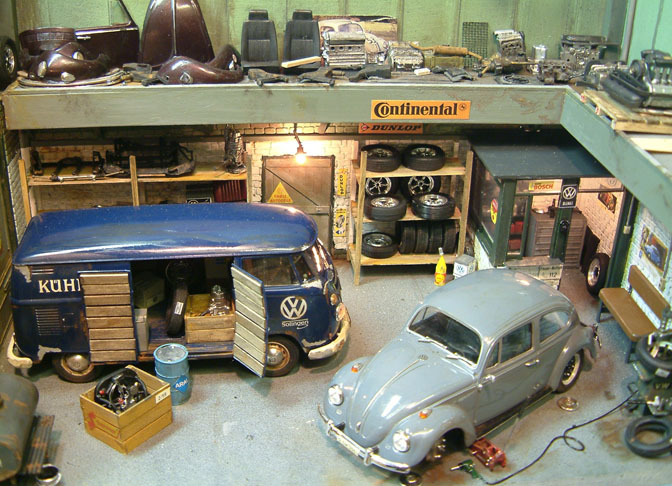
Creating a diecast car diorama is an exciting way to bring miniature worlds to life. The key to making these scenes truly captivating is the level of realism and detail you infuse into them. A well-crafted diorama can transport viewers into a different time and place, sparking imagination and storytelling. But how do you achieve such a lifelike effect? Let’s dive into some practical tips that will help you enhance the realism in your diecast car dioramas.Weathering Techniques
Weathering is an art that adds age and history to your diecast cars. Consider using techniques like dry brushing to create the appearance of rust or grime. A simple mix of brown and orange paint can give the illusion of rust on metal parts.Experiment with pastels or chalks to create dust and dirt. This adds a layer of authenticity, suggesting your car has been on many adventures. Don’t forget to pay attention to areas where dirt naturally accumulates, like wheel wells and undercarriages.Think about your favorite diorama scene. What story does it tell? Adding weathering effects can deepen that narrative, inviting viewers to imagine the journey of the vehicles within the scene.Adding Accessories And Props
Accessories and props breathe life into your diorama, transforming it from a static scene to a dynamic story. Simple items like road signs, barrels, or even figures can add depth and context.Consider crafting miniature details like gas pumps or mailboxes from household items. A toothpick can easily become a signpost, while a bottle cap might serve as a makeshift hubcap. Your creativity is the only limit.Ask yourself, what would make your scene more believable? Adding small, thoughtful props can turn an ordinary setup into a vibrant slice of life. Even the smallest accessory can make a big impact on the viewer’s experience.By focusing on weathering techniques and adding thoughtful accessories, you can elevate your diecast car dioramas to new levels of realism. What story will your next creation tell?
Credit: www.amazon.com
Lighting And Effects
Lighting and effects can transform diecast car dioramas into vibrant scenes. The right lighting creates mood, highlights details, and enhances realism. Effects bring dynamic elements, capturing motion or atmosphere. Combining these elements elevates your diorama, making it more engaging and immersive.
Natural And Artificial Lighting
Natural lighting offers a soft, realistic touch to dioramas. Position your setup near a window for natural sunlight. Morning and late afternoon provide gentle, warm lighting. Use reflectors to direct sunlight onto key areas.
Artificial lighting provides control and flexibility. LED lights are popular for their brightness and color options. They can mimic daylight, evening, or night scenes. Position lights to create shadows and depth, adding drama to your display.
Special Effects And Enhancements
Special effects can add life to your diorama. Smoke machines simulate exhaust or fog, creating a dynamic atmosphere. Small fans can mimic wind, adding motion to elements like flags or leaves.
Enhancements like sound can immerse viewers further. Engine sounds or ambient noise increase realism. Consider using small speakers hidden within the diorama. Lighting effects like flickering headlights or street lamps add authenticity.
Creating Dynamic Scenes
Craft realistic dioramas by incorporating diecast cars. These miniature vehicles add authenticity and detail. Arrange them in lifelike settings to captivate viewers’ attention.
Creating dynamic scenes with diecast cars in dioramas can breathe life into your miniature world. These tiny vehicles can turn a static display into an action-packed story. You can recreate thrilling car chases, peaceful suburban streets, or bustling city avenues. The possibilities are endless. But how do you make these scenes truly dynamic? Let’s dive into some practical tips.Positioning For Action
Start by placing your cars in positions that suggest movement or activity. Imagine a busy highway or a winding mountain road. You might angle a sports car to look like it’s taking a sharp turn. Or set a classic convertible at a scenic viewpoint.Consider eye-catching angles. An aerial view could showcase a busy intersection, while a low-angle shot might highlight sleek designs. Experiment with different positions to capture the essence of speed or the calm of a parked car.Incorporating Movement And Interaction
Movement can transform your diorama from static to lively. Use props like blurred background images to mimic speed. Add dust trails or skid marks for an authentic touch.Interaction between cars can tell a story. Position two cars close together for a race scene. Or place a bus next to a crowd for a public transportation vibe. These interactions can turn your diorama into a snapshot of everyday life or thrilling action.Think about adding figures. People interacting with vehicles can add layers to your scene. A mechanic fixing a car or a family on a road trip can tell their own story.Creating dynamic scenes is about engaging your audience. What story will your diorama tell? Experiment with different setups and let your creativity flow.Building Custom Elements
Building custom elements in dioramas breathes life into your diecast car scenes. These elements enhance the authenticity and uniqueness of your display. From custom paint jobs to creating terrains, each detail elevates your diorama. Let’s explore how to create these custom elements effectively.
Custom Paint And Decals
Custom paint transforms a diecast car into a unique piece. Choose colors that complement your diorama’s theme. Use model paint designed for metal surfaces for best results. Apply thin layers to avoid paint runs. Let each layer dry before adding the next one. Decals add a finishing touch. They can simulate logos or racing stripes. Use water-slide decals for a smooth application. Soak them in water, then slide onto the car. Gently press to remove air bubbles. Seal the decals with a clear coat to protect them.
Fabricating Terrain And Structures
Creating terrain involves materials like foam, plaster, or clay. Foam is easy to shape and lightweight. Use a craft knife to carve out roads or hills. Cover foam with plaster for a realistic texture. Paint the terrain to resemble dirt or pavement. Structures add depth to your diorama. Small buildings or bridges enhance realism. Use balsa wood or plastic to build them. Paint and weather these structures for authenticity. Add tiny details like signs or lights. These make the scene more believable. Arrange these elements around the diecast cars for a dynamic display.
Displaying Your Diorama
Diecast cars add realistic details to your diorama. Choose models that match the theme and scale of your scene. Arrange them creatively to enhance storytelling and visual appeal.
Displaying your diecast car diorama is an art in itself. It’s the final touch that brings your miniature world to life, allowing others to appreciate the details and craftsmanship. Whether you’re a seasoned collector or just starting, how you display your diorama can make all the difference in the impact it has.Choosing The Right Display Case
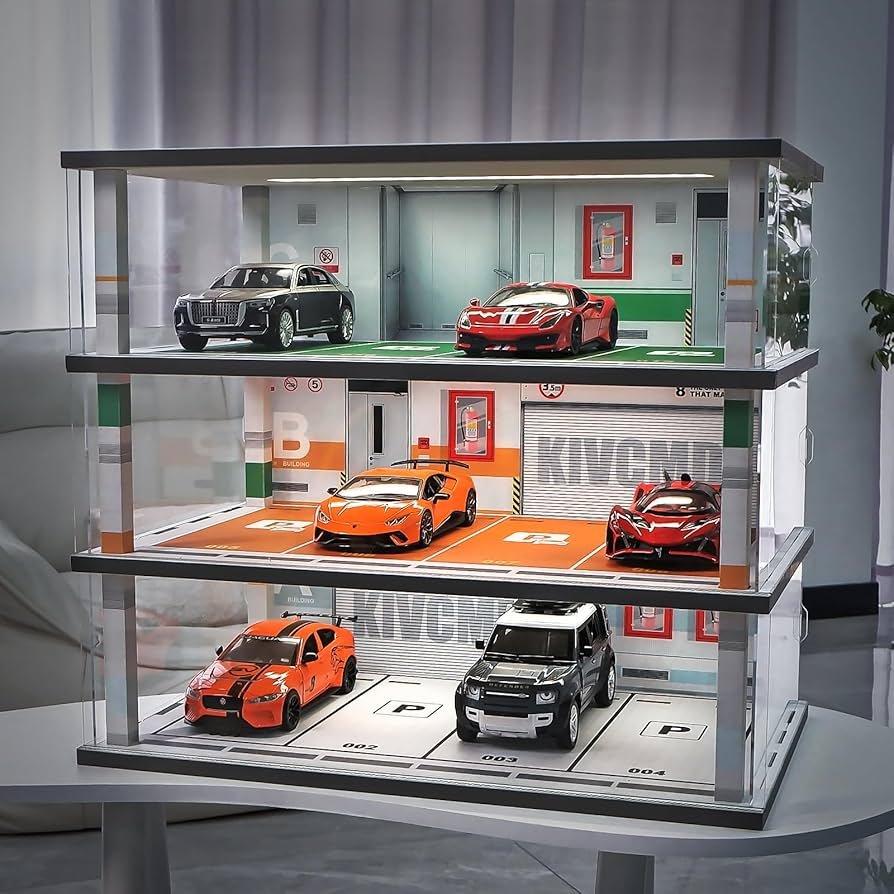
The right display case protects your diorama while showcasing it beautifully. A clear acrylic or glass case is ideal, as it provides an unobstructed view from all angles. Make sure the case is large enough to accommodate your scene without crowding it.Consider the lighting in the room when selecting a case. Some cases come with built-in LED lights that highlight the intricate details of your cars and scenery. This can dramatically enhance the visual appeal, especially in dimly lit spaces.Think about the dust and environmental factors. A well-sealed display case keeps your diorama clean and safe from potential damage, preserving your hard work for years to come.Arranging For Optimal Viewing
Position your diorama at eye level for the best viewing experience. This makes it easier for viewers to appreciate the finer details and the story your scene tells. If possible, place it on a sturdy shelf or stand that complements your room decor.Play with angles and perspectives. Sometimes, tilting the diorama slightly or placing it in a corner can provide a more immersive experience. It invites viewers to move around and explore the scene from different viewpoints.Think about the background of the display area. A neutral or contrasting backdrop can make your diorama pop, drawing attention to your diecast cars and scenery. Avoid busy patterns that might distract from the main attraction.Have you considered how your display might evolve over time? As you add new pieces or refine your arrangement, keep experimenting with different layouts. The beauty of a diorama is that it’s never truly finished—it evolves with your creativity and passion.Maintaining And Preserving
Maintaining and preserving diecast cars in dioramas ensures their longevity. This care helps them look new and keeps their value high. Proper maintenance involves cleaning, dusting, and preventing damage. This guide will help you keep your diecast cars in top condition.
Cleaning And Dusting Techniques
Dust settles on diecast cars, dulling their shine. Use a soft brush to remove dust gently. A microfiber cloth can also work well. It picks up dust without scratching. For stubborn dirt, use a damp cloth. Avoid soaking the car. Too much water can damage it. A small vacuum can help with tiny crevices. Ensure it’s on a low setting. This prevents damage to delicate parts.
Preventing Damage And Wear
Diecast cars are fragile. Handle them with care. Always pick them up by the base. This avoids pressure on delicate parts. Store them in a dry place. Moisture can cause rust and corrosion. Use display cases for added protection. These cases shield from dust and accidental bumps. Keep cars away from direct sunlight. Sunlight fades paint and weakens plastic parts. Regular checks help spot early signs of wear. Fixing minor issues early prevents bigger problems later.
Frequently Asked Questions
What Kind Of Paint To Use On Diecast Cars?
Use enamel or acrylic paint for diecast cars. They offer vibrant colors and durable finishes. Clean the surface before painting. Apply thin coats for smooth results. Seal with clear varnish for protection. Choose paint types labeled for metal surfaces for best adhesion.
How To Play With Model Cars?
Explore model cars by racing them on tracks or creating realistic dioramas. Engage with friends in competitions, swap parts for customization, and showcase your collection. Learn maintenance techniques to enhance performance. Enjoy imaginative play by reenacting famous car scenes or designing your own adventures.
Are Diecast Model Cars Worth Anything?
Diecast model cars can be valuable, especially if they’re rare, vintage, or in mint condition. Collectors often seek limited editions and unique models. Market demand and brand influence their worth. Regularly check auction sites and collector forums for pricing trends.
Proper care and storage can preserve their value.
Why Are Diecast Cars So Expensive?
Diecast cars are costly due to detailed craftsmanship, high-quality materials, and limited production runs. Collectors value these replicas for their precision and rarity, which increases demand. Manufacturers invest heavily in design and tooling, leading to higher prices.
Conclusion
Diecast cars bring life to dioramas. They add charm and detail. You can create amazing scenes with them. They capture attention and tell stories. Arrange cars carefully for the best effect. Use them to highlight key features. Get creative with placements and settings.
Experiment with different scales and styles. Consider lighting for dramatic impact. Diecast cars are versatile tools. They enhance any diorama. Let your imagination guide you. Start crafting your unique display today. With practice, your dioramas will impress. Enjoy the process and have fun!